Brittany Hotel Villar City on Daang Hari Road — your home base for exploring Taal Volcano and Cavite
Taal Volcano: The World's Smallest Volcano and Its Fascinating History
An iconic Philippine landmark waiting to be explored
Okay, real talk, when I first heard that the world’s smallest active volcano was right here in the Philippines, I had to see it for myself. I mean, how cool is it that we have something this incredible in our own backyard? Let me share everything I learned on my recent trip to Taal Volcano, because trust me, this place is absolutely worth the visit.
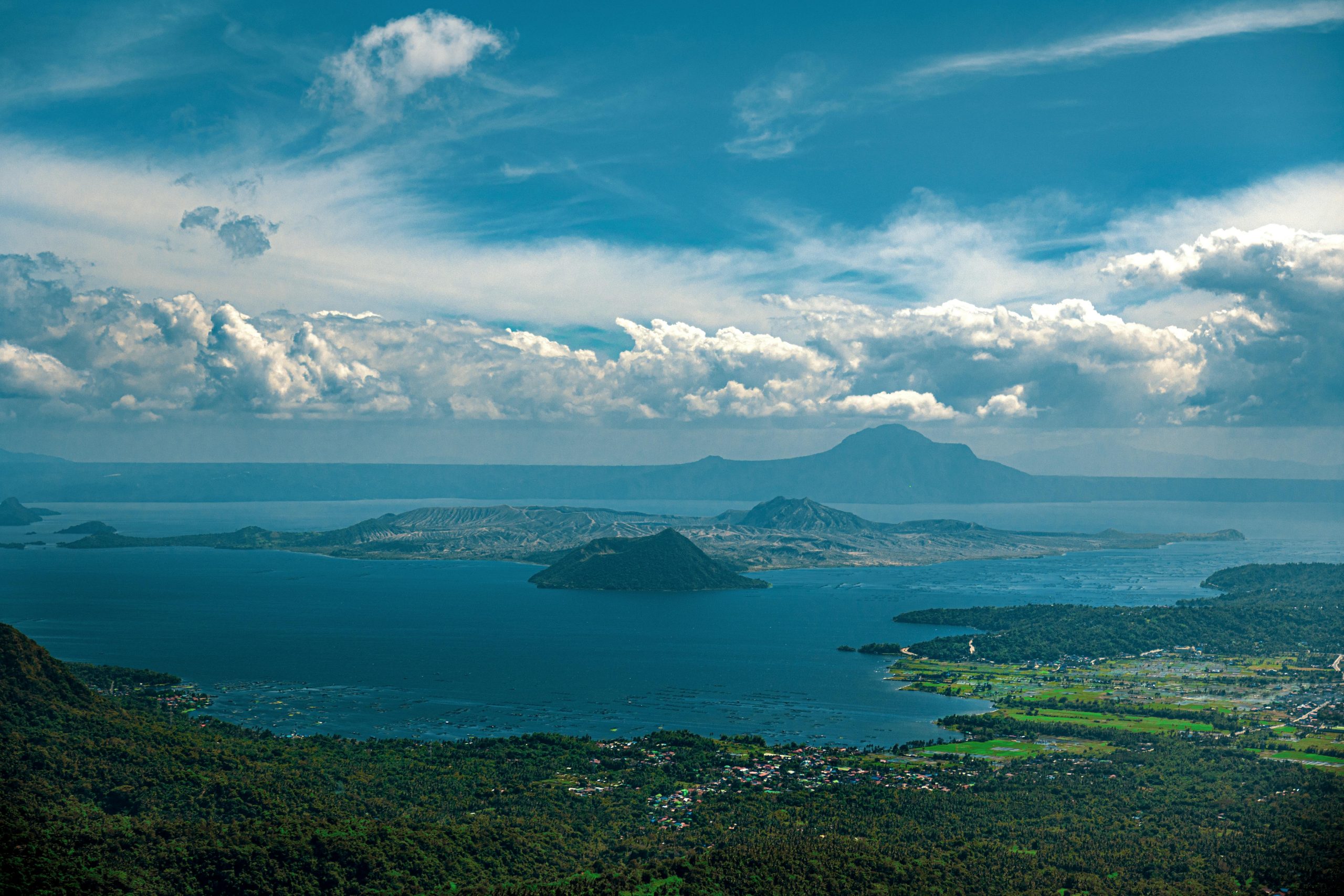
Taal Volcano is a UNESCO Global Geopark as of 2024, making it a must-visit Philippine landmark
The World's Smallest Active Volcano
Here’s something that blows people’s minds: Taal Volcano isn’t actually on dry land. Can you believe it? This fascinating volcano sits right in the middle of Taal Lake in Batangas province, and if you really want to get technical, it’s a volcano within a lake within an island. Yeah, you read that right. The crater itself is filled with water, forming what they call Crater Lake, and there’s even a smaller island inside the crater. It’s like nature decided to show off and stack everything on top of each other.
Where is Taal Volcano Located?
Taal Volcano is located in the province of Batangas, about 60 kilometers south of Manila. The most popular viewpoint to see it is from Tagaytay Ridge, which sits directly across the Taal Lake. From Tagaytay, you get this absolutely stunning panoramic view of the volcano and the lake surrounding it. The drive from Manila to Tagaytay takes roughly an hour and a half depending on traffic, and honestly, the view along the way is already pretty spectacular.

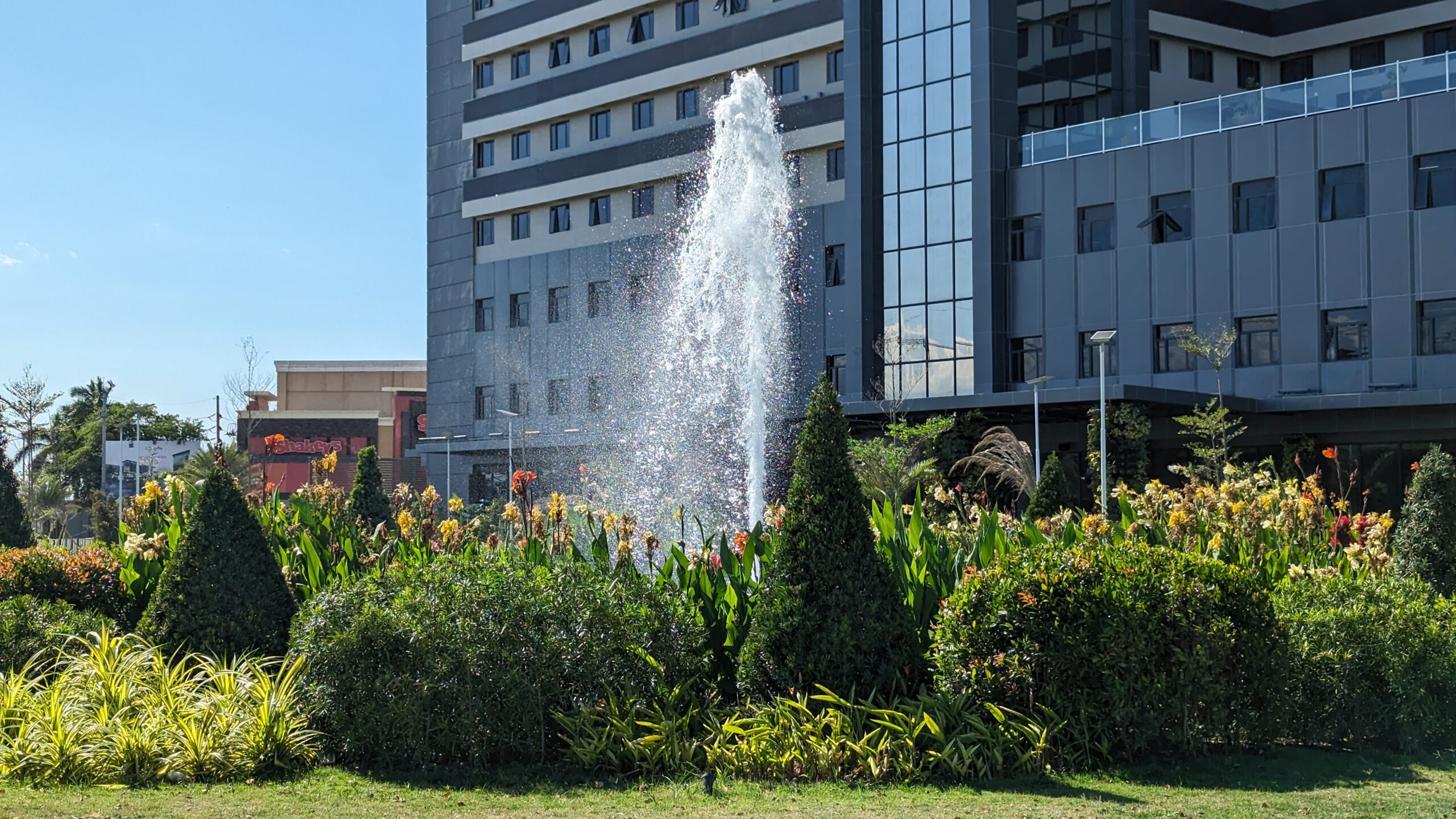
The Gardens of Brittany at Brittany Hotel Villar City — serene landscapes just minutes from Taal Volcano departure points
How Was Taal Volcano Formed?
Now here’s where things get really interesting. Taal Volcano was formed through a process called volcanism, and geologists believe it started forming somewhere between 100,000 to 500,000 years ago. That’s incredibly old, right? The volcano is part of the Pacific Ring of Fire, which is basically this massive horseshoe-shaped area around the Pacific Ocean where a lot of tectonic activity happens.
“Taal is not just a volcano, it’s a geological wonder that reminds us of the powerful forces constantly shaping our planet.”
What makes Taal particularly special is that it’s what’s known as a complex volcano. Over thousands of years, multiple eruptions have created a series of cones, craters, and caldera formations. The main crater you see today is actually the result of a massive eruption called the 1754 eruption, which was the most powerful in the volcano’s recorded history.
Taal Volcano Eruption History
Taal has erupted a total of 42 times throughout recorded history, which makes it one of the most active volcanoes in the Philippines. The first recorded eruption was way back in 1572, and since then, there have been several significant eruptions that shaped the surrounding landscape and communities.
The 2020 Eruption and Recovery
Most of us probably remember where we were during the January 2020 eruption. On January 12, Taal suddenly erupted, sending an ash column approximately 15 kilometers into the sky according to PHIVOLCS reports. The eruption was sudden and caught everyone off guard. Schools were suspended, flights were canceled, and thousands of residents in the surrounding areas had to evacuate.

The pool at Brittany Hotel Villar City — a refreshing escape after a day of volcano exploration
The eruption was classified as a VEI-4 event. The damage was extensive, particularly in the towns surrounding the volcano, where agriculture, livestock, and homes were severely affected.
But the recovery has been remarkable. Communities have worked incredibly hard to rebuild, and today, Taal is once again open to visitors. The landscape around the volcano has slowly recovered, and there’s a certain resilience in the people there that really moved me when I visited.
Just recently, in 2024, Taal was officially designated as a UNESCO Global Geopark, recognizing its outstanding geological significance and the community’s efforts in conservation and education. This is a huge deal and really puts Taal on the world stage.
What Makes Taal Volcano Unique
Besides being the world’s smallest active volcano, Taal has some pretty unique characteristics that set it apart from other volcanoes. First, there’s the nested setup, volcano inside a lake inside an island inside another lake. That’s pretty much unheard of anywhere else in the world.
Quick Taal Volcano Facts:
- Height: approximately 311 meters above sea level (crater floor near lake level)
- Location: Batangas Province, Philippines
- Type: Complex Volcano (crater filled with lake)
- Total eruptions recorded: 42
- UNESCO Global Geopark: Designated 2024
The volcano also has what’s called a caldera type formation, which means it was formed by the collapse of a magma chamber after an incredibly massive eruption. This is the same type of formation you see at famous volcanoes like Crater Lake in Oregon or the Yellowstone caldera.
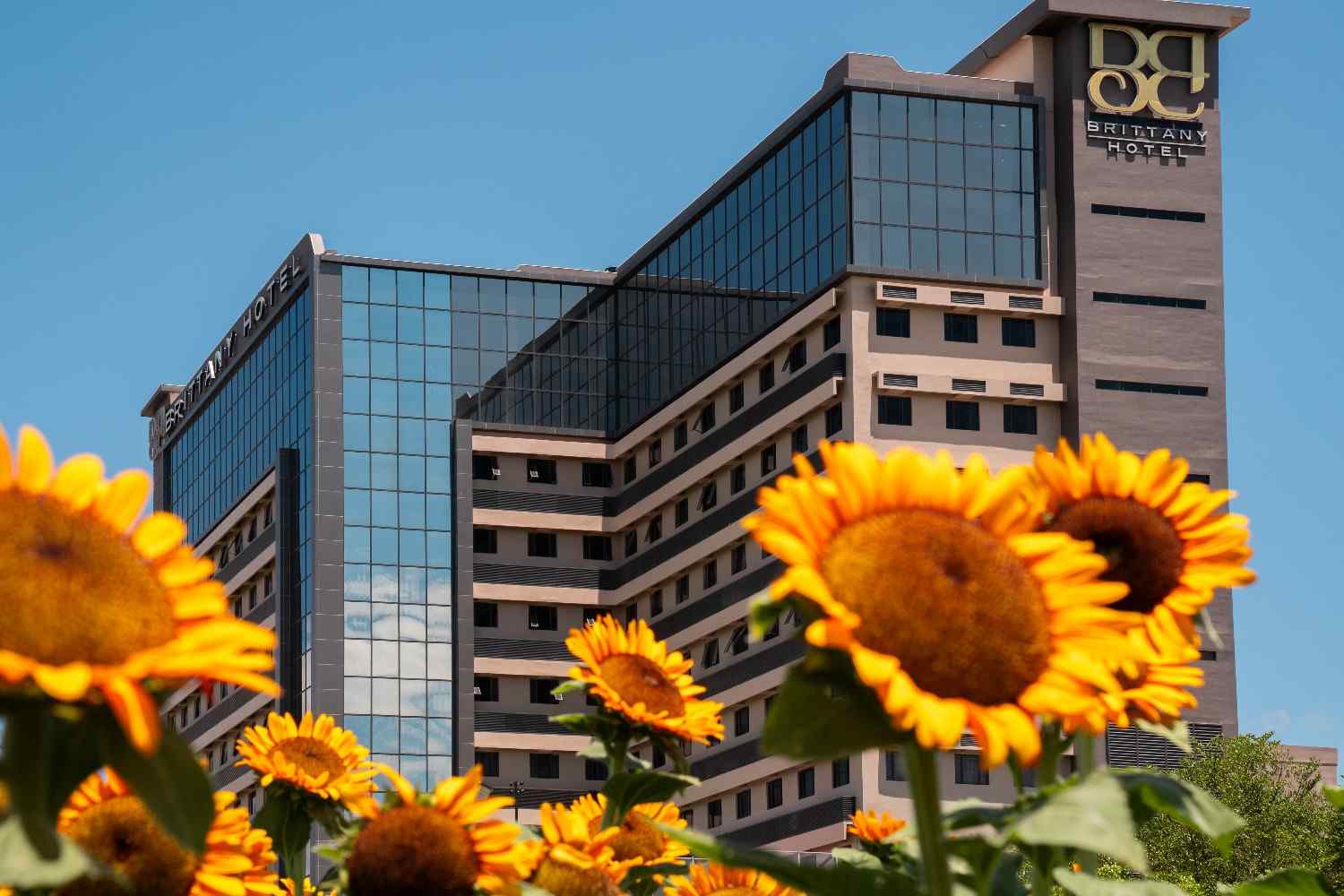
Cavite’s scenic Daang Hari corridor — Brittany Hotel Villar City sits at the heart of this emerging destination
The 2020 Eruption and Recovery
Most of us probably remember where we were during the January 2020 eruption. On January 12, Taal suddenly erupted, sending an ash column approximately 15 kilometers into the sky according to PHIVOLCS reports. The eruption was sudden and caught everyone off guard. Schools were suspended, flights were canceled, and thousands of residents in the surrounding areas had to evacuate.
Visiting Taal Volcano from Brittany Hotel Villar City
Now, here’s the practical part that I know you’re wondering about. If you’re staying at Brittany Hotel Villar City in Bacoor, Cavite, you’re actually in a really convenient location for visiting Taal. Bacoor is in the southern part of Metro Manila, so heading out towards Tagaytay and Taal is pretty straightforward.
Brittany Hotel Villar City, your home base for exploring Taal Volcano and Cavite
Best Time to Visit Taal
I would highly recommend visiting between November and May. This is the dry season in the Philippines, and honestly, the weather is just much more predictable. You’ll get clearer skies and better views of the volcano, plus the trails are safer and easier to walk on. The rainy season can make things a bit tricky, and some tours might be canceled due to weather conditions.
How to Get to Taal from Bacoor, Cavite
From Brittany Hotel Villar City in Bacoor, you have a couple of options. The most popular route is to drive or take a bus to Tagaytay first, which takes about 45 minutes to an hour depending on traffic. From Tagaytay Ridge, you can then take a boat tour that will bring you closer to the volcano. Boat tours typically cost around 1,500 to 2,500 pesos depending on the type of boat and package you choose.
If you want to actually trek up to the volcano’s crater, you’ll need to book a trekking tour. These usually include the boat ride plus the trek, and prices generally range from 3,000 to 5,000 pesos per person. The trek itself takes about 45 minutes to an hour, and you’ll be walking on volcanic rock and ash, so wear sturdy shoes!
Taal Volcano Trekking Tips
A few things I learned from my trek: bring plenty of water, wear sunscreen, and don’t forget your mask or face covering, the sulfur smell near the crater can be pretty strong. Also, start early in the morning if you can, because it can get really hot by midday, especially during summer months. And please, please follow all safety guidelines and stick to designated paths. The volcano is active, and there are certain areas that are off-limits for your own safety.
“Standing at the edge of Taal’s crater and looking into that turquoise lake surrounded by volcanic walls, it’s a feeling I’ll never forget.”

The Gardens of Brittany, a serene escape within the hotel grounds
Safety Reminders When Visiting Taal
I can’t stress this enough, Taal is an active volcano. It may look peaceful and beautiful, but the ground you walk on is literally formed by volcanic activity. Always check the current alert level before planning your visit. The Philippine Institute of Volcanology and Seismology (PHIVOLCS) regularly updates these, so make sure you’re informed.
Wear appropriate footwear, stay hydrated, and don’t venture into restricted zones. If you’re feeling unwell or have respiratory issues, the sulfur fumes near the crater might not be for you. The boat ride across Taal Lake can also get bumpy, so if you’re prone to seasickness, bring some medication just in case.
Ready to Explore Taal Volcano?
Stay at Brittany Hotel Villar City and make Taal Volcano your next adventure. With comfortable rooms, great amenities, and easy access to some of the Philippines’ most incredible landmarks, your perfect Philippine getaway starts here.
About Brittany Hotel Villar City
Located in Bacoor, Cavite, Brittany Hotel Villar City offers comfortable accommodations with easy access to Tagaytay, Taal Volcano, and other attractions in Southern Luzon. Perfect for weekend getaways and cultural explorations.
#TaalVolcano #PhilippinesTravel #VolcanoHistory #TaalLake #CaviteTourism #PhilippinesNature